The trend of barndominiums, steel or pole barn structures converted into homes – has swept across Tennessee in recent years. These hybrid homes offer rustic charm, large open layouts, and often faster build times than traditional houses. However, a key factor in turning a metal building into a comfortable residence is insulation. Without proper insulation, a barndominium can be unbearably hot in summer, frigid in winter and plagued by condensation issues. That’s why homeowners are increasingly choosing spray foam insulation for their Tennessee barndominiums. Spray foam’s ability to seal and insulate in one application makes it the perfect solution to transform a drafty barn into a cozy, energy-efficient living space. Let’s explore how spray foam benefits barndo owners and why it’s considered a game-changer for modern barn homes.
The Barndominium Challenge: Steel is a Poor Insulator
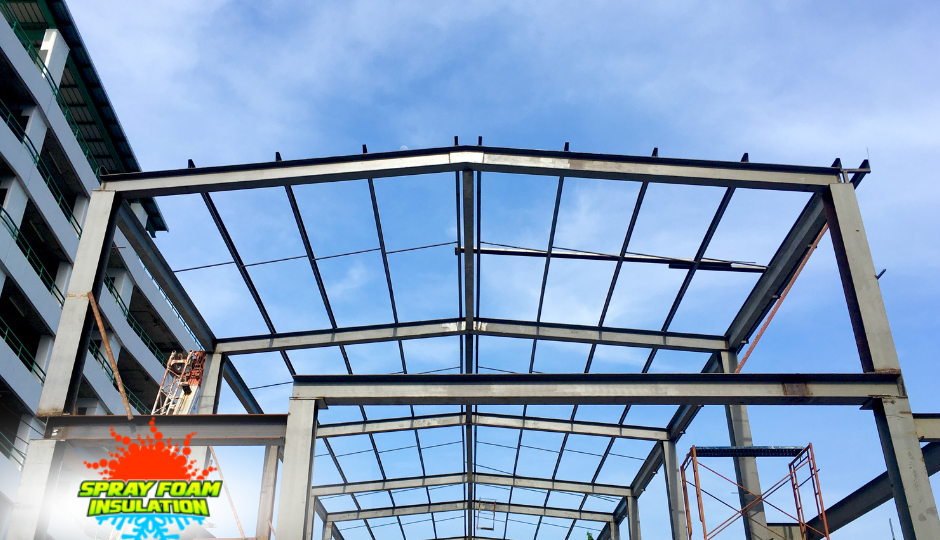
Barndominiums typically feature metal siding and roofing attached to a steel or wood frame. While durable and cost-effective, metal is a superb conductor of heat – meaning during Tennessee’s scorching summers, the sun’s heat can radiate straight through the walls and roof. Conversely, on cold winter nights, warmth from inside rapidly escapes through the metal surfaces. Traditional insulation methods like fiberglass batts struggle in this scenario, because they can’t stop air leakage and often leave gaps around the irregular framing of a barn structure. Spray foam insulation, on the other hand, molds itself to every contour of the metal and framing, creating an airtight layer that dramatically slows heat transfer. By filling all the nooks and crannies, spray foam prevents the kind of air drafts that would otherwise make a barndo feel like a breezy barn.
Energy efficiency is a huge priority for anyone building a barndominium, not just for comfort but for controlling utility costs. A big open interior with high ceilings can be expensive to heat and cool if the building envelope is leaky or poorly insulated. This is where spray foam truly shines: it delivers a high R-value and effectively air-seals the structure in one step. An example from building science: EPA estimates that sealing and insulating attics and walls can save around 15% on heating and cooling costs on average. In a barndo, the impact can be even greater, as these structures often start out with more air leakage than a conventional home. After a professional spray foam installation, many barndominium owners find that their HVAC systems can maintain comfortable temperatures without running constantly – a testament to how well the foam has tightened up the house. In fact, some builders report being able to use smaller HVAC units in spray-foamed barndominiums, which underscores the efficiency gains.
Moisture and Condensation Control
One of the biggest concerns in converting a barn to a home is moisture control. Metal buildings are prone to condensation: when warm, moist interior air meets the colder metal skin (especially at night), water can condense and drip, causing wet insulation, rust, or even interior water damage. In Tennessee’s humid climate, this is a real issue. Spray foam insulation provides a solution by adhering directly to the metal panels, which reduces the temperature difference on the interior surface and also forms a vapor barrier if using closed-cell foam. Essentially, it greatly diminishes the chances for condensation to occur. The foam stops humid air from contacting a cold surface by sealing off that pathway. We often use closed-cell spray foam on barndo roofs for this very reason – its dense, closed-cell structure doesn’t absorb water and has vapor retardant qualities.
Additionally, spray foam’s air sealing keeps external humidity from infiltrating. In a typical barn, outside air can freely pass through gaps, bringing moisture with it. After spray foaming, the structure is so well sealed that you can control ventilation intentionally (with HVAC or vents) rather than having random moisture infiltration. This is crucial for avoiding mold and protecting any wood elements of the structure from rot. It also means your living space stays at a healthy humidity level, which is important for comfort. Customers often mention that their barndominium feels less damp or muggy in summer post-insulation.
Another benefit of spray foam in a metal-roofed home is noise reduction. A rainstorm on a metal roof can be extremely loud. Spray foam helps dampen this by adding a layer of coating that deadens vibrations. While not completely soundproof, it markedly reduces the drum-like effect. A closed-cell foam application on the underside of a roof can stiffen the panels and absorb sound energy. One informal test noted a metal roof’s noise was greatly reduced after spraying, making heavy rain much more bearable indoors. For barndominium dwellers, that can mean the difference between being awakened by rain and sleeping right through it.
Imagine: Your Own Tennessee Barndo Insulation
To illustrate, let’s consider an exemplary project. Imagine a newly built 2,500 sq. ft. barndominium near Morristown, TN. The exterior is corrugated metal, and inside the owners want an open-plan kitchen/living area, some bedrooms, and a workshop bay. They opt for 3 inches of open-cell spray foam on the walls (about R-11) and 5 inches along the underside of the roof (around R-18), plus a layer on the band joist around the slab. Once installed, the spray foam immediately seals the structure. During the first summer, the owners find that even on 90°F days, their AC keeps the home comfortable with reasonable cycle times – a stark contrast to a neighbor’s barndo who used fiberglass and struggles with indoor heat. Come winter, their heating bills are pleasantly low; the heat pump doesn’t have to fight constant drafts or heat loss through the metal.
Crucially, they experience no condensation issues. The usual “sweating” of metal they were warned about doesn’t happen because the foam has warmed the interior surface and blocked moist air. And when heavy rains hit the tin roof, conversation indoors remains possible without shouting – the foam has muffled the noise. These are the kinds of outcomes that turn skeptics into believers. In fact, barndominiums insulated with spray foam are known for being as comfortable and efficient as conventional homes, if not more so, according to homeowner feedback and industry reports.
It’s also worth noting that spray foam contributes to structural strength in this example. The rigid foam bonded to the metal panels provides extra reinforcement. While we wouldn’t rely on it in place of proper engineering, it’s reassuring to know that your insulation is also strengthening your building’s resistance to winds. In a state that can see severe thunderstorms and the occasional tornado, every bit helps.
Making the Most of Your Barndominium
When you’re investing in a barndominium, you want the result to be a home that’s both unique and enjoyable to live in. Spray foam insulation plays a big role in achieving that. To get the full benefit, it’s important to work with professional installers (like our team) who understand the nuances of metal buildings. We ensure that surfaces are clean for proper adhesion and that the appropriate type of foam (open-cell vs. closed-cell) is selected for each area. For instance, we might use closed-cell on the underside of the roof for higher R-value and moisture control, and open-cell in interior partitions for sound control and cost efficiency – a strategy similar to what expert contractors used in a Kentucky barndo project, mixing insulation types to maximize performance.
Another tip is to plan your HVAC system in conjunction with the insulation. Because spray foam dramatically reduces the home’s heating and cooling loads, you can often downsize your HVAC equipment or choose higher efficiency models that run more steadily. Oversized units short-cycle and won’t dehumidify as well, especially in a tight spray-foamed home. Many Tennessee HVAC contractors now do a Manual J calculation factoring in spray foam’s effectiveness, and homeowners are pleasantly surprised by the smaller systems required.
Finally, don’t forget about ventilation. A tightly sealed barndominium will need proper ventilation to ensure fresh air exchange and manage indoor humidity from cooking, showers, etc. This could be as simple as bath fans and a controlled supply inlet, or a full energy-recovery ventilator (ERV) system for continuous balanced ventilation. We advise clients on these considerations – insulating and sealing is step one, and maintaining good indoor air quality is step two.
Your Trusted Insulation Partner in Tennessee
Building a barndominium is an exciting journey, and you’ll make many choices along the way. Choosing spray foam insulation is one that will reward you daily with a more comfortable and efficient home. As specialists in spray foam, our company has insulated numerous barndominiums and metal building homes across Tennessee and Kentucky. We understand the specific needs of these projects, from protecting metal surfaces during installation to achieving the right insulation thickness for code compliance and performance.
If you’re planning a barndo or currently living in one that needs an insulation upgrade, we’re here to help. We can evaluate your structure and provide a customized plan to insulate it properly. Often, we hear from folks who tried to use traditional insulation and ran into issues – we can retrofit spray foam to fix those problems, as long as we can access the areas (for example, applying foam to the underside of a metal roof from inside can stop persistent condensation drips that other methods failed to resolve).
Contact Pikeville Spray Foam Insulation to discuss your barndominium project anywhere in Tennessee. We serve areas from Johnson City and Greeneville in the east, to the Cumberland region, to Nashville and beyond in Middle Tennessee. Our team will ensure your barn-to-home conversion gets the insulation it needs for modern, comfortable living. With our expertise, your barndominium can truly offer the best of both worlds – the expansive, rustic appeal of a barn and the snug, energy-efficient comfort of a well-built home.
Contact Pikeville Spray Foam for quick insulation solutions in your area!
