In many Tennessee homes, especially those built with crawl space foundations, the crawl space is an overlooked source of problems. A musty crawl space can lead to bad odors upstairs, mold growth, pest infestations, and higher energy bills. The good news is that a proper crawl space insulation and encapsulation upgrade can transform this dank underbelly into a clean, dry asset for your home. By sealing and insulating the crawl space, you’ll not only eliminate that musty smell but also improve your home’s comfort and efficiency. Crawl spaces in Tennessee get musty, but modern insulation solutions can fix the issue for good.
Why Tennessee Crawl Spaces Suffer from Moisture & Mold
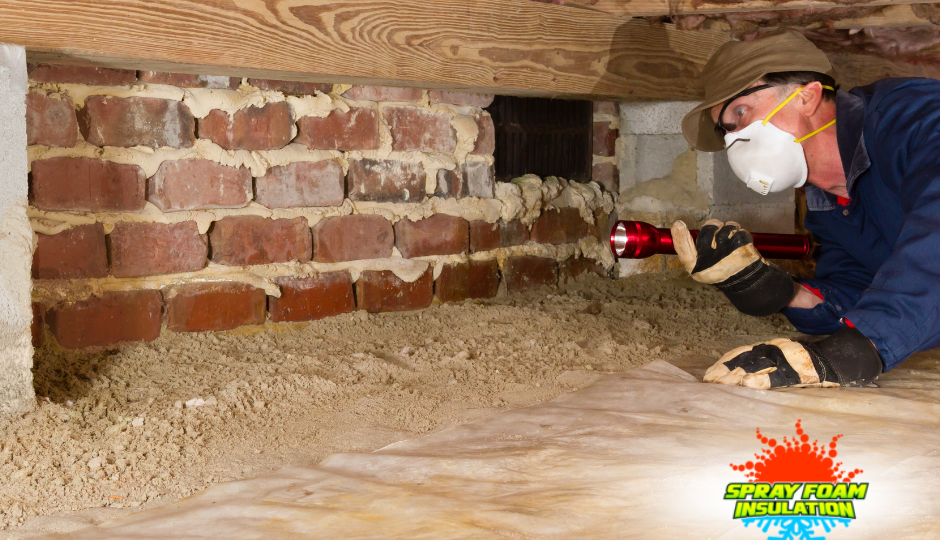
Tennessee’s climate features humid summers and plenty of rain – conditions that can wreak havoc on a vented crawl space. Many older crawl spaces were built with wall vents intended to allow moisture to escape. Unfortunately, in our climate those vents often do the opposite: they let moist humid air into the cool crawl space, where the moisture condenses on surfaces. The result? Damp soil and wood, mold and mildew growth, and that trademark musty odor that eventually seeps into the house. You might notice the smell more in summer or after heavy rains. It’s not just an olfactory nuisance; that moisture can rot wooden joists or subfloors and attract termites or rodents.
Another issue is uninsulated floors above the crawl space. In winter, cold air beneath the house chills the floorboards, making your feet cold and forcing your heating system to work harder to keep the house warm. Cold floors are a common complaint in homes with poorly insulated or open crawl spaces. In summer, the reverse can happen – the crawl space can act like a heat sink, warming the floors and making your AC run extra. The traditional approach of stuffing fiberglass batts between the floor joists often fails here in Tennessee. Fiberglass insulation easily gets damp (losing effectiveness) and tends to sag and fall out over time due to gravity and moisture. It also doesn’t stop humid air from reaching the wood above.
All these factors combine to make many crawl spaces in Tennessee a source of frustration and potential health issues. Mold spores from below can enter the living space (about 50% of household air on the first floor can originate from the crawl space via the “stack effect”). Allergies or respiratory problems can be aggravated as a result. So, fixing a musty crawl space is not just about comfort – it’s also about creating a healthier home environment.
Crawl Space Encapsulation and Insulation – The Solution
The modern solution that building scientists recommend is crawl space encapsulation with proper insulation. Encapsulation means sealing the crawl space from the outside environment completely. This involves four main steps: closing off the wall vents, installing a heavy-duty vapor barrier over the ground (and up the walls), insulating the crawl space walls or rim joists, and ensuring proper drainage and dehumidification as needed. When we perform an encapsulation in Tennessee homes, we often use closed-cell spray foam insulation on the crawl space walls and rim joist areas. Closed-cell spray foam serves dual purposes: it insulates with a high R-value and also air-seals and provides a moisture barrier on the walls. By sealing the vents and spraying foam on the interior of the foundation walls, we create a thermal envelope around the crawl space. Essentially, the crawl becomes a part of the conditioned space of the home (or semi-conditioned).
This approach yields immediate benefits. First, the moisture is controlled. The vapor barrier on the floor stops ground moisture evaporation (which was a big contributor to humidity). Closing vents stops new humid air from entering. And the spray foam on walls prevents moist outside air or water from seeping through the porous block or concrete. Studies and field results show that an encapsulated crawl space stays dramatically drier – often maintaining humidity levels similar to inside the home, which is far below the 80%+ humidity that fosters mold. Many homeowners notice the musty odor disappears once the space dries out and mold stops growing. Any existing mold should be treated during the encapsulation process so we start with a clean slate.
Second, temperatures stabilize. With insulation on the crawl space walls, the floor above is exposed to milder crawl space temperatures instead of the extremes of the outside. In winter, an insulated crawl space might stay at, say, 55°F instead of dropping to 30°F, so your floors are correspondingly warmer. Homeowners love walking barefoot without freezing their toes after an encapsulation. In summer, the crawl space stays cooler than the outdoors, and because we’ve sealed it, that coolness actually helps keep the home comfortable rather than humidifying it. Essentially, you’ve eliminated the “cold floor in winter, hot floor in summer” syndrome.
This translates into energy savings, too. The Department of Energy notes that insulating floors (or crawl spaces) can save a significant chunk on heating bills, and sealing air leaks can save 10-20% on total energy costs. Our clients often report noticeable reductions in their heating and cooling costs after encapsulating the crawl space. One reason is that air ducts often run through the crawl. In a vented, uninsulated crawl, those ducts are subject to extreme temperatures and leak conditioned air to the outside. In an encapsulated crawl, the ducts are now within the insulated envelope – greatly reducing duct losses (one could see a 15% efficiency improvement or more in HVAC performance just from that change). Plus, the HVAC no longer has to fight the moisture load coming from the crawl space, which can be significant in humid months.
A Healthier, More Comfortable Home
Let’s address the health aspect: when you eliminate chronic dampness, you eliminate the environment that mold, dust mites, and pests love. Mold cannot thrive below about 60% relative humidity. A sealed crawl space with occasional dehumidification (if required) will typically stay around 50% RH, well below the danger zone. We’ve seen previously moldy joists dry out and remain clean years after encapsulation. Homeowners with allergies often tell us the air smells fresher and their symptoms have improved once that musty mold source is gone.
Then there are pests – insects and rodents. An open, vented crawl is an invitation for critters to come in (it’s dark, sheltered, and often damp – basically heaven for them). By sealing it up, you literally block their entry points. Spray foam insulation at the rim joists and along sill plates seals the small gaps where mice or insects might have squeezed through. The thick vapor barrier on the ground, usually sealed up the walls, prevents insects from coming up through the soil or any remaining cracks. Many people find that after encapsulation, they see far fewer bugs in the living area (since fewer are breeding below) and no more signs of rodents.
It’s also worth noting that encapsulating a crawl space can protect your home’s structure. Persistent moisture can rust metal supports and cause wood decay in joists/subfloor. Fixing the moisture protects these elements, which maintains your home’s structural integrity. There’s a reason even building codes are shifting – modern codes often allow or even encourage closed, insulated crawl spaces in lieu of vented ones, recognizing the performance benefits.
Professional Crawl Space Makeover
If your crawl space in Tennessee is musty or causing issues, it’s wise to consult professionals (like our team) for an evaluation. Each home can be a bit different. We examine factors like: is there standing water or drainage issues to solve first? How accessible is the crawl (to determine installation method)? Is there old insulation to remove? Once the area is prepped – maybe grading the soil, installing French drains or a sump if needed – we proceed with the encapsulation steps mentioned.
We often use spray foam insulation on the walls because it’s quick and effective. However, in some cases we might use foam board insulation on walls if spray foam isn’t feasible (though then we have to foam-seal around boards anyway). The rim joist (where the house framing meets the foundation) is a critical area we always insulate and seal with spray foam – those little rim bays are notorious for air leakage and are like a cold radiator around your floor’s perimeter if left uninsulated. By sealing them, we stop a major convective loop of air.
After encapsulation, we typically recommend conditioning the crawl space air slightly – this could be a dedicated dehumidifier or a small HVAC vent to the crawl, etc. Many encapsulated crawl spaces in Tennessee actually do fine with just passive dehumidification if they’re really well sealed, but a dehumidifier is cheap insurance to keep it bone dry through the worst humidity.
It’s truly satisfying to see – and smell – the difference when a job is done. A once dirty, smelly crawl space becomes a clean, dry, usable area. Some homeowners even use the encapsulated crawl for storage (since it’s basically like a mini-basement now, with a clean floor liner). More importantly, the whole house becomes more comfortable. The musty odors go away, floors are warmer, and indoor humidity is easier to control.
Invest in Your Crawl Space, Invest in Your Home
In summary, insulating and encapsulating your crawl space is one of those home improvements that solves multiple problems at once. It’s not as visible as a kitchen remodel, but it can hugely improve your quality of life inside the home. And when it comes time to sell, an encapsulated crawl space is a selling feature – buyers in our region are increasingly aware of the benefits. It signals that the home is well-cared for and more energy-efficient than others.
If you have a musty, unpleasant crawl space, don’t just put a band-aid like a vent fan or odor spray. Treat the root cause with a proper encapsulation and spray foam insulation. Our team at Pikeville Spray Foam Insulation has transformed countless crawl spaces for homeowners from Memphis to Knoxville, and we’d be happy to help you reclaim yours. We handle everything from cleaning out debris to final touches, so you won’t have to crawl around – let us do the dirty work and deliver a clean result.
Contact us today to schedule an assessment of your crawl space. We’ll provide a detailed plan to fix moisture issues and insulate the area for lasting results. Serving all of Tennessee and neighboring parts of Kentucky and Virginia, we take pride in making homes healthier, more comfortable, and more efficient. Say goodbye to that musty crawl space forever – and hello to a better home environment for you and your family.
